
Eduardo García Magraner
Sus libros
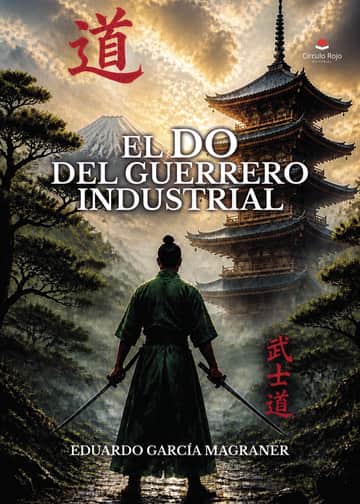
El DO del Guerrero Industrial
Una factoría puede ser un dojo. Este libro cuenta una historia real: la de un operario que se forma en el taller y aprende a pensar, decidir y liderar desde el lugar donde de verdad pasan las cosas: el Gemba. Desde sus inicios como aprendiz hasta asumir responsabilidades en ingeniería y mantenimiento, el autor recorre su camino profesional enlazando la fábrica con el espíritu del bushido y los principios del Lean Manufacturing. Cada capítulo alterna dos mundos que acaban siendo uno solo: la historia del samurái, donde nacen los postulados del Lean Manufacturing, y la historia de una planta industrial, donde se implantan los procesos Lean. Se relatan casos reales de averías críticas, cuellos de botella imposibles, decisiones bajo presión y mejoras que nacen de medir, observar y atreverse a cuestionar lo establecido. Todo ello lo adentra en el mundo industrial y le muestra cómo la disciplina, los datos y la mejora continua no son teoría, sino supervivencia, convirtiendo los datos en hechos irrefutables y dejando de ser simples opiniones. Su búsqueda de la excelencia lo lleva a adentrarse en el terreno de la investigación industrial, persiguiendo un doctorado. Es la fusión definitiva entre la sabiduría del Gemba y el rigor académico, buscando la «verdad» científica oculta tras el acero. Pero este no es solo un libro técnico; es también un relato de dudas, miedos, sacrificios y aprendizaje para encender una «chispa» en estudiantes, técnicos, ingenieros y mandos que quieren comprender que la excelencia no nace en el despacho, sino del compromiso diario con el trabajo bien hecho y con las personas.
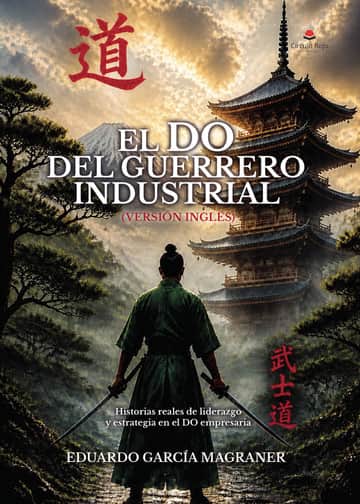
El DO del Guerrero Industrial
A workshop, a factory can be your Dojo. This book tells his true story: that of an operator who trains amid grease, noise, and endless shifts, and who learns to think, make decisions, and lead from the place where things really happen (Gemba). From his first steps as an apprentice to taking on responsibility for engineering and maintenance, the author traces his professional journey, connecting the factory with the spirit of Bushido and the principles of Lean Manufacturing. Each chapter alternates between two worlds that ultimately become one: the story of the samurai, where the principles of Lean Manufacturing emerge, and the story of an industrial plant, where Lean processes are implemented. Real cases of critical breakdowns, seemingly impossible bottlenecks, decisions made under pressure, and improvements born from measuring, observing, and daring to question the established order take the reader into the industrial world, they show how discipline, data, and continuous improvement are not theory but survival, turning data into irrefutable facts rather than opinions. His pursuit of excellence leads him into the field of pure industrial research, pursuing a doctorate. Through rigorous analysis and the development of innovative systems, he transforms the invisible into tools of strategic precision. It is the ultimate fusion of Gemba wisdom and academic rigor, seeking the scientific “truth” hidden behind steel. But this is not only a technical book; it is also a story of doubts, fears, sacrifices, and learning: studying and working at the same time, making mistakes, leading teams, and facing personal and professional crises without leaving the workshop behind.