Dezhi Xue Wu
Dr. Dezhi Xue Wu is a physician‑scholar, acupuncturist, and cross‑cultural thinker whose work bridges ancient Eastern wisdom with modern scientific understanding. Trained at Nanjing University of Chinese Medicine (NJUCM) and now based in Spain, he has spent decades exploring the deeper principles behind life, health, and the hidden order of nature. His research spans Traditional Chinese Medicine, systems science, neuroscience, cosmology, and complexity theory. Through this interdisciplinary lens, Dr. Xue seeks to reinterpret classical concepts such as Qi, Yin‑Yang, the Five Phases, and Jing–Qi–Shen in ways that resonate with contemporary scientific models of energy, information, and systemic intelligence. Dr. Xue has published widely in academic journals and authored several influential books that introduce Chinese medical philosophy to global readers. His work is known for its clarity, depth, and ability to connect ancient insights with the challenges of modern life—including aging, entropy, consciousness, and the rise of AI. In All Things in Tao, he continues this mission, guiding readers on a journey from cosmic origins to the inner workings of the human body, revealing how the wisdom of the Tao can illuminate the future of medicine, well‑being, and human evolution.
Sus libros
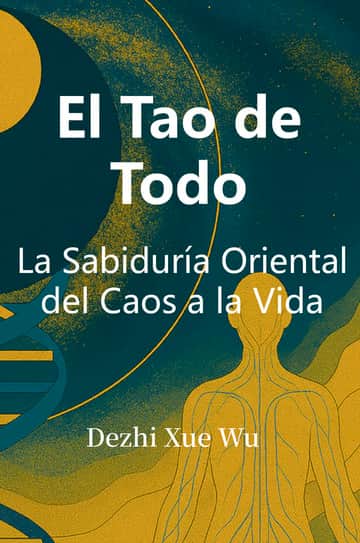
El Tao de Todo
El Tao de Todo: La Sabiduría Oriental del Caos a la Vida
En El Tao de Todo: La Sabiduría Oriental del Caos a la Vida, Dezhi Xue Wu propone una visión unificada del universo, la vida y el ser humano, tendiendo un puente entre la sabiduría oriental y el conocimiento científico contemporáneo. Más que una obra sobre filosofía o medicina, este libro invita a descubrir los principios profundos que explican cómo surge el orden, cómo emerge la vida y cómo ambos permanecen en constante transformación.
Partiendo del Wuji, origen indiferenciado de todas las posibilidades, y del Taiji, principio generador de la diferenciación y el movimiento, la obra recorre la cosmología taoísta para mostrar cómo el Yin y el Yang, los Cinco Movimientos, el Qi y la relación entre Jing, Qi y Shen constituyen un modelo coherente para comprender la organización del universo y el funcionamiento de los seres vivos. Estas ideas no se presentan como símbolos culturales ni como creencias tradicionales, sino como principios dinámicos que describen la formación, la regulación y la evolución de los sistemas vivos.
A lo largo del libro, la filosofía taoísta, la medicina tradicional china, la teoría de sistemas, la termodinámica, la neurociencia y la ciencia de la complejidad dialogan entre sí para revelar una misma intuición fundamental: la vida es un proceso de autoorganización que mantiene el orden frente a la tendencia natural hacia el aumento de la entropía. Desde esta perspectiva, la salud no representa un estado estático, sino la capacidad del organismo para conservar su equilibrio, adaptarse al cambio y regenerar continuamente su propia organización.
La obra amplía esta reflexión hacia los desafíos del siglo XXI. La medicina regenerativa, la biología de la información, la inteligencia artificial y la integración entre seres humanos y tecnología no aparecen como fenómenos aislados, sino como nuevas expresiones del mismo proceso evolutivo. Frente a un mundo cada vez más acelerado y complejo, el Tao se presenta no como una doctrina del pasado, sino como un principio vivo capaz de ofrecer una comprensión más profunda del orden, la conciencia y el futuro de la civilización.
Dirigido a científicos, profesionales de la salud, filósofos y lectores interesados en comprender la relación entre ciencia, vida y sabiduría oriental, El Tao de Todo propone un diálogo entre tradiciones aparentemente distantes para mostrar que las grandes preguntas sobre el universo, la salud y la conciencia siguen siendo las mismas. Más que ofrecer respuestas definitivas, invita al lector a redescubrir el Tao como el principio que conecta todas las formas de existencia y como una guía para comprender el equilibrio que sostiene la vida.
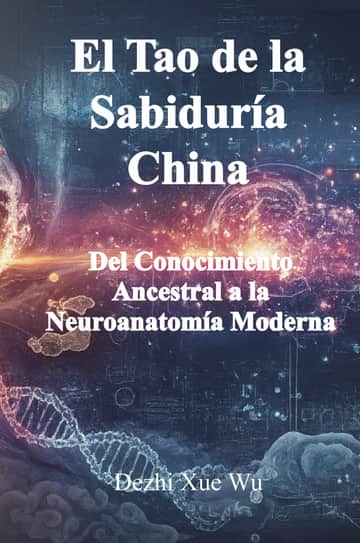
El Tao de la Sabiduría China
El Tao de la Sabiduría China
¿Cómo consigue la vida mantenerse en orden en medio del cambio? ¿Cómo sabe un organismo cuándo adaptarse, cuándo resistir y cuándo recuperar su equilibrio?
Mucho antes de que existieran la neurociencia, la biología de sistemas o la medicina moderna, los médicos de la antigua China ya observaban una pregunta fundamental: ¿qué mantiene viva a la vida?
De esa búsqueda nació una forma singular de comprender el cuerpo humano. El yin y el yang, los cinco movimientos, el Qi, la sangre, los órganos Zang-Fu y los meridianos no surgieron como piezas aisladas de una teoría, sino como diferentes maneras de observar las relaciones, los ritmos y las transformaciones que mantienen la vida en movimiento.
El Tao de la Sabiduría China, de Dezhi Xue Wu, propone recorrer ese pensamiento desde sus raíces clásicas hasta las preguntas de la ciencia contemporánea.
El libro no presenta la medicina tradicional china como un conjunto de técnicas antiguas ni como una colección de creencias exóticas. La contempla como una forma de pensar la vida: una medicina que, antes de preguntar qué enfermedad tiene una persona, intenta comprender qué ha cambiado en el sistema que la mantiene en equilibrio.
Desde esta perspectiva, la acupuntura, la fitoterapia, la dietética, el tuina y el yangsheng forman parte de una misma visión: acompañar los procesos de regulación del organismo y preservar su capacidad de adaptación. La salud deja de aparecer como un estado inmóvil y se convierte en algo mucho más profundo: un orden vivo que necesita renovarse continuamente.
A lo largo de la obra, esta antigua visión entra en diálogo con la neurofisiología, la investigación de la fascia, la mecanotransducción, la cronobiología y la biología de sistemas. No para afirmar que la ciencia moderna haya demostrado las teorías clásicas de la medicina china, sino para explorar dónde existen correspondencias, dónde aparecen nuevas preguntas y dónde siguen siendo necesarias hipótesis y evidencias.
Porque quizá una de las intuiciones más profundas de la medicina china siga siendo extraordinariamente actual:
la mejor medicina no comienza cuando aparece la enfermedad, sino mucho antes, cuando aprendemos a cuidar el orden que hace posible la vida.
Desde el principio clásico de Zhi Wei Bing —prevenir la enfermedad antes de que se manifieste—, este libro invita a mirar la medicina china de otra manera: no como una alternativa enfrentada a la biomedicina, sino como una antigua tradición de pensamiento sobre la vida que puede entrar en conversación crítica con la ciencia de nuestro tiempo.
Un viaje desde el Tao hasta la célula, desde la observación de la naturaleza hasta la medicina del futuro.
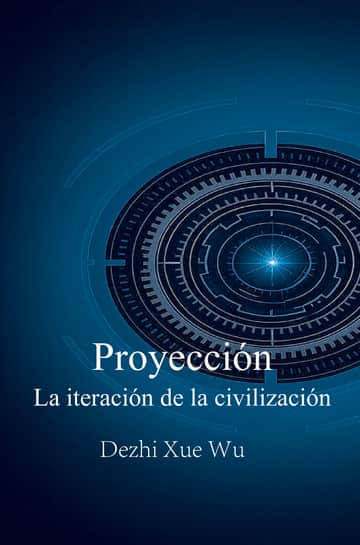
Proyección
Proyección: La iteración de la civilización
En Proyección: La iteración de la civilización, Dezhi Xue Wu propone una nueva manera de comprender el momento histórico que atraviesa la humanidad. Más que un libro sobre un futuro lejano, es una reflexión sobre un cambio de civilización que ya ha comenzado.
Cada civilización ha creído encontrarse en la culminación de su propia historia. Sin embargo, la historia muestra una realidad distinta: ninguna representa un punto de llegada definitivo. Todas nacen, evolucionan, se transforman y dan paso a nuevas formas de organización. La civilización no avanza de manera lineal; progresa mediante sucesivas iteraciones.
La inteligencia artificial, la automatización, la transición energética y la expansión de la capacidad computacional no aparecen aquí como simples innovaciones tecnológicas, sino como manifestaciones de una transformación mucho más profunda: el surgimiento de una nueva etapa en la evolución de la civilización humana.
Desde una perspectiva que integra filosofía, historia, pensamiento sistémico y análisis intercultural, el autor examina cómo cada gran revolución tecnológica redefine no solo la economía y la producción, sino también la forma en que las sociedades se organizan, ejercen el poder y comprenden el significado de ser humano.
Cuando la inteligencia deja de ser una capacidad exclusivamente humana, las preguntas fundamentales ya no son únicamente tecnológicas, sino también filosóficas y civilizatorias. ¿Qué lugar ocupará el trabajo en una sociedad altamente automatizada? ¿Cómo cambiará el poder cuando la energía, la infraestructura digital y la capacidad computacional se conviertan en los principales recursos estratégicos? ¿Podrá una civilización desaparecer no por la guerra, sino por quedar excluida de las redes que sostienen el nuevo orden tecnológico?
A través del análisis histórico, la reflexión filosófica y el diálogo con sistemas de inteligencia artificial, la obra explora una cuestión más profunda: cómo evolucionan las civilizaciones y qué fuerzas impulsan cada una de sus transformaciones. La tecnología deja de entenderse como un destino inevitable para convertirse en una expresión del propio desarrollo de la conciencia humana.
Lejos tanto del entusiasmo tecnológico como del catastrofismo, Proyección: La iteración de la civilización propone una reflexión sobre el futuro de la humanidad desde una perspectiva histórica, filosófica y sistémica. Más que intentar predecir el porvenir, busca comprender los patrones profundos que han guiado el nacimiento, la expansión, la transformación y la renovación de las civilizaciones a lo largo de la historia.
Porque la cuestión decisiva no es qué máquinas construiremos en el futuro, sino qué clase de civilización construiremos junto a ellas.
Unfolding
Unfolding: The Iterative Paths of Civilization
Every civilization believes it stands at the height of its own achievement. Yet history suggests a different pattern: civilizations do not reach a final destination—they unfold. Each age carries within itself the conditions that give rise to the next, reshaping how human beings understand work, power, knowledge, and ultimately themselves.
Unfolding: The Iterative Paths of Civilization explores this continuing process of transformation at a moment when humanity is entering one of the most profound transitions in its history. Artificial intelligence, automation, renewable energy, advanced computation, and intelligent machines are not presented as isolated technological breakthroughs, but as signs of a broader civilizational shift. The book asks a deeper question: what becomes of humanity when intelligence, productivity, and decision-making are no longer uniquely human?
Drawing on philosophy, history, systems thinking, economics, political analysis, and dialogues with artificial intelligence, Dezhi Xue Wu examines how every technological revolution reorganizes civilization itself. As industrial society gives way to an era increasingly shaped by physical AI and autonomous systems, traditional assumptions about labor, wealth, sovereignty, education, and even human identity begin to change. The central challenge is therefore not technological, but civilizational.
Rather than offering predictions about the future, the book explores the enduring patterns through which civilizations emerge, mature, fragment, and reorganize. It considers questions that will define the coming century. What gives meaning to human life when work is no longer its primary organizing principle? How will nations exercise power when computation, energy, and intelligent systems become the foundations of strategic influence? Can societies lose their place in history not through military conquest, but by becoming disconnected from the technological networks upon which civilization increasingly depends?
Throughout the book, technology is understood not as an external force, but as an extension of human consciousness. Every new tool transforms not only what people can do, but also how they perceive the world, organize society, and define themselves. The emergence of artificial intelligence therefore represents more than a technological revolution; it marks a new stage in the long unfolding of civilization itself.
Neither optimistic nor dystopian, Unfolding offers a philosophical exploration of humanity's future in an age of accelerating change. It argues that the greatest questions of the twenty-first century are not simply about machines, but about civilization, meaning, and the enduring place of human consciousness within an increasingly intelligent world. Rather than predicting what the future will look like, the book seeks to understand the deeper patterns through which every future comes into being.
The Tao of Chinese Medicine
The Tao of Chinese Medicine: From Classical Foundations to Modern Scientific Perspectives
For more than two thousand years, Chinese medicine has sought to answer a question that remains central to medicine today: What enables life to maintain health? Long before modern physiology described homeostasis, adaptation, and systems regulation, Chinese physicians had developed a sophisticated framework for understanding how the human body preserves balance, responds to change, and recovers from illness.
The Tao of Chinese Medicine offers a fresh and intellectually rigorous interpretation of Traditional Chinese Medicine (TCM), presenting it not as mysticism or cultural tradition, but as a coherent medical philosophy grounded in careful observation, clinical experience, and a systemic understanding of life. Drawing together classical texts, historical development, modern scientific research, and decades of clinical practice, the book re-examines Chinese medicine through the lens of contemporary knowledge while remaining faithful to its original principles.
Rather than treating TCM as a collection of isolated therapies, the author reveals its underlying logic as an integrated system for understanding health, disease, and human adaptation. Concepts such as Yin–Yang, the Five Phases, Qi, Blood, the Zang–Fu organs, and the meridian network are presented as functional models that describe regulation, interaction, and dynamic balance within living systems—not as metaphysical abstractions or symbolic beliefs.
From this perspective, acupuncture, herbal medicine, tuina, dietetics, emotional regulation, and Yang Sheng share a common purpose: they do not simply fight disease but seek to restore the body's intrinsic capacity for self-regulation. Disease is understood less as an external enemy than as the gradual disruption of physiological order. Healing, therefore, is the process of re-establishing the conditions in which life can recover its own balance and resilience.
The book also builds a dialogue between Chinese medicine and modern science. Drawing on advances in neuroscience, fascia research, mechanotransduction, neurophysiology, chronobiology, and systems biology, it explores how contemporary scientific discoveries can illuminate the mechanisms underlying acupuncture, functional disorders, and the body's remarkable capacity for adaptation. Rather than forcing ancient theory into modern terminology, the discussion allows each tradition to enrich the other while respecting their distinct perspectives.
At a time when chronic disease, aging, stress-related disorders, and functional illnesses have become defining challenges of global healthcare, the classical principle of Zhi Wei Bing—preventing illness before it arises—offers renewed relevance. Through discussions of circadian rhythms, lifestyle, emotional balance, and preventive care, the book demonstrates that Chinese medicine is fundamentally concerned not only with treating disease, but with preserving the conditions that allow healthy life to flourish.
Rather than positioning Chinese medicine as an alternative to modern biomedicine, The Tao of Chinese Medicine argues that the two traditions address different, yet complementary, dimensions of health. Modern medicine has transformed our understanding of structural pathology and acute disease; Chinese medicine offers profound insights into regulation, adaptation, resilience, and the dynamic processes that sustain living systems. Together, they provide a broader and more complete understanding of medicine than either can achieve alone.
Written for physicians, researchers, students, and readers interested in the future of healthcare, The Tao of Chinese Medicine invites a reconsideration of what medicine truly is—not merely the treatment of disease, but the science and art of understanding life itself.
All Things in Tao
All Things in Tao: Eastern Wisdom and the Hidden Order of Life is a profound exploration of the universal principles that govern the cosmos, life, and human civilization. Bridging the wisdom of ancient China with the discoveries of modern science, Dr. Dezhi Xue Wu traces a continuous thread from Wuji, the undifferentiated origin of existence, to the emergence of Taiji, the evolution of life, and the hidden order that sustains all living systems.
Drawing on Taoist philosophy, Traditional Chinese Medicine, systems science, neuroscience, thermodynamics, and complexity theory, the book presents a unified vision of reality in which Qi, Yin–Yang dynamics, the Five Phases, meridian networks, and the triad of Jing–Qi–Shen are understood not as isolated cultural concepts, but as expressions of universal principles of organization, regulation, and renewal. Rather than presenting Chinese medicine as a collection of therapeutic techniques, the author reveals it as a comprehensive philosophy of life—one that resonates with contemporary understandings of energy, information, self-organization, and biological order.
At the heart of the book lies a central proposition: life is fundamentally a self-organizing, low-entropy process. Health is the dynamic maintenance of this order, while disease reflects its gradual disruption. From this perspective, nourishing Jing, regulating Qi, harmonizing the meridians, and cultivating Shen are not merely therapeutic practices, but fundamental principles for preserving the integrity and resilience of living systems. The same patterns that sustain the human body, the author argues, also shape the emergence, flourishing, and decline of civilizations.
Looking beyond medicine, All Things in Tao explores the future of human development in an age of biotechnology, regenerative medicine, artificial intelligence, and human–machine integration. As technological progress accelerates, it raises a deeper question: can civilization continue to advance without losing the natural order upon which life itself depends? The book suggests that the Tao offers not only an ancient philosophy, but a timeless framework for understanding how complexity, intelligence, and harmony emerge—and how they may be sustained in the future.
Written for scientists, physicians, philosophers, and readers seeking a deeper understanding of life, All Things in Tao offers a compelling dialogue between Eastern wisdom and contemporary science. It invites us to reconsider not only the nature of health, but also the future of consciousness, civilization, and humanity itself, through the enduring principle of the Tao—the hidden order that connects all things.